
Can you hear the difference betweenpractice and performance?
How many musicians test themselves here
Active participants completing quizzes weekly across performance categories
Quiz formats from sight-reading to interpretation challenges
Average completion rate showing engaged learners
Difficulty tiers allowing progression at your pace
Is this platform built for your skill level?
You already know whether your sight-reading needs work or your interpretation feels inconsistent.
This platform works for musicians who want structured feedback on specific performance areas without enrolling in formal courses. Beginners discover foundational gaps. Advanced players refine nuanced decisions. Teachers use it to diagnose student weaknesses before lessons.
Each quiz isolates one aspect of performance. You receive immediate scoring with explanations showing why certain choices strengthen or weaken musical delivery. Progress tracking shows which areas improve and which still need attention.
- Students preparing for auditions or exams
- Self-taught musicians identifying knowledge gaps
- Teachers seeking diagnostic tools for lesson planning
- Performers maintaining skills between projects
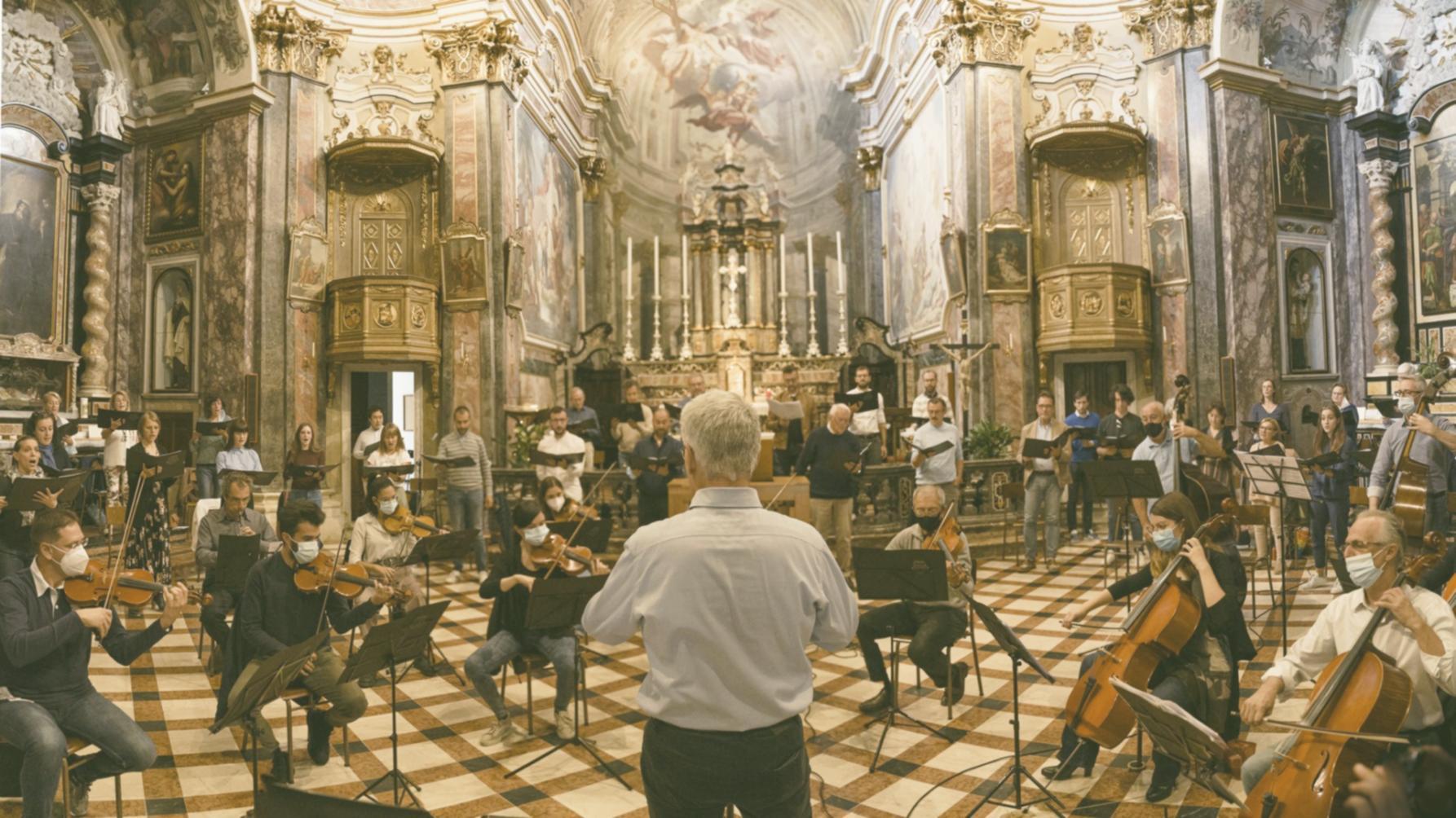
What makes feedback here different from random practice
Isolated skill testing
Each quiz focuses on one performance element. Rhythm accuracy separate from pitch recognition. Phrasing choices separate from dynamic control. You discover exactly where technical execution breaks down or interpretation becomes unclear.
Context-specific scenarios
Questions present realistic musical situations. You choose how to handle a tempo shift mid-phrase, decide articulation for a specific passage, or identify the strongest interpretive approach for a given style. Answers reflect actual performance decisions.
Immediate comparative analysis
After each answer, you see why correct choices work and why alternatives fall short. The system explains musical reasoning behind scoring, showing how small adjustments change listener perception or technical clarity.
Adaptive difficulty progression
The platform adjusts challenge level based on your accuracy. Early questions establish baseline skill. Subsequent quizzes increase complexity only when you demonstrate readiness, preventing frustration from premature advancement or boredom from repetitive material.

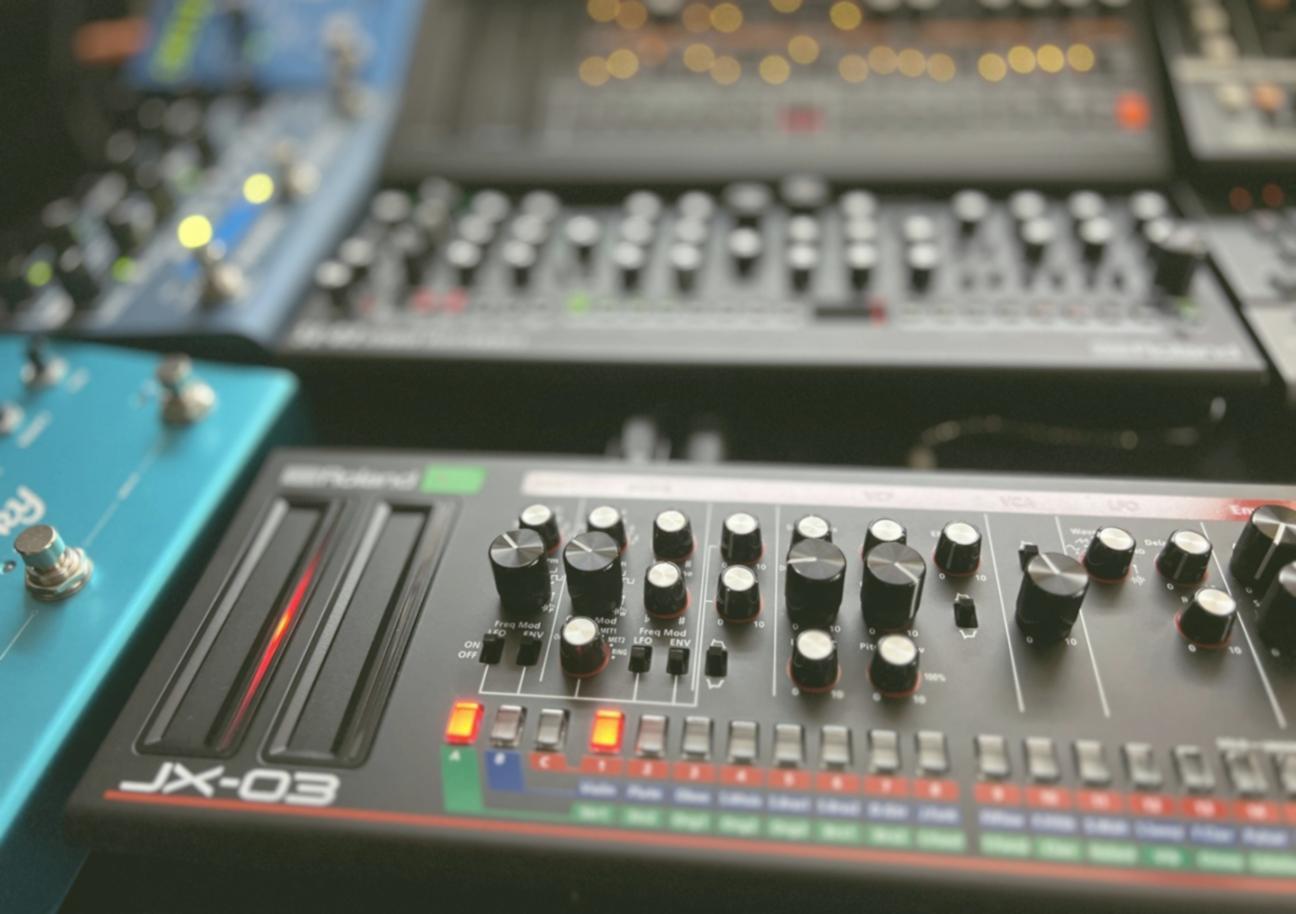

Who built this assessment system
Three performing musicians with combined teaching experience spanning orchestral, chamber, and solo contexts. Each brings a different performance background, ensuring quiz content reflects varied musical situations rather than one pedagogical tradition.

Liora Vaskiv
Content Architect
Orchestral violinist who spent 14 years in professional ensembles before transitioning to educational design. Structures quiz scenarios around real audition and rehearsal challenges.

Dmytro Horbenko
Assessment Specialist
Piano accompanist and chamber musician. Designs feedback systems that isolate specific technical or interpretive weaknesses without overwhelming learners with simultaneous corrections.
Tamsin Eldridge
Platform Developer
Vocalist with experience in opera and contemporary music. Ensures the interface supports rapid decision-making without technical barriers interrupting the assessment flow.